



Routine BMW maintenance can vary significantly based on the specific model and the type of service required. For oil changes, engine filter replacements, and fluid checks, you can expect to pay between AED 350 and AED 1,800, depending on your BMW’s model and the service facility you choose. Regular services like brake pad replacements or oil filter changes typically range from AED 500 to AED 1,500. It's essential to follow the manufacturer's recommended service intervals to keep your vehicle in top condition and avoid larger repair costs down the line.
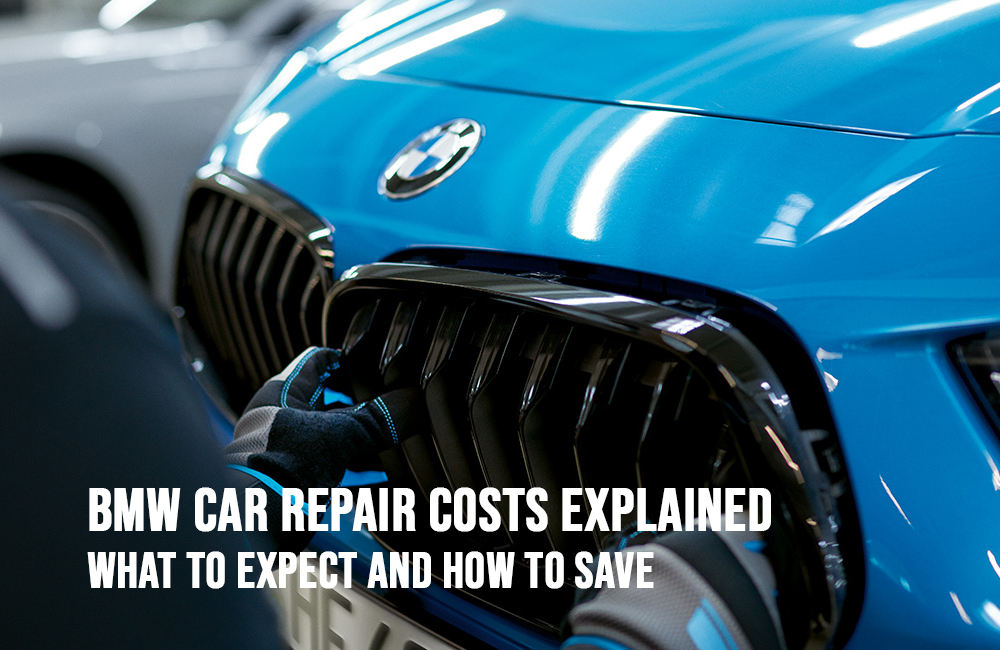
BMW Car Repair Costs Explained: What to Expect and How to Save
13 Jan 2025
Table of Contents
- Introduction: Demystifying BMW Repair Expenses
- Why BMW Ownership Often Comes with Higher Maintenance and Repair Costs
- Understanding the Difference: Scheduled Maintenance vs. Unexpected Repairs
- What to Expect: Estimated Costs for Common BMW Repairs
- Model-Specific Cost Considerations: Does Your BMW Series Matter?
- Actionable Strategies: How to Save Money on BMW Repairs and Maintenance
- The Long-Term Financial Benefits of Diligent BMW Maintenance
- Conclusion: Empowering You to Manage Your BMW's Health and Costs
- FAQs
Introduction: Demystifying BMW Repair Expenses
Owning a BMW is an investment in luxury, performance, and advanced engineering. However, as with any high-performance vehicle, owning a BMW can come with higher maintenance and repair costs. Understanding these costs and knowing how to save on them is essential for managing your investment and ensuring your vehicle runs smoothly. In this guide, we will explain the factors that influence BMW repair costs and provide actionable tips on how to save money on repairs and maintenance.
BMWs are well-known for its outstanding performance and quality; however, they also have particular problems when it comes to repairs and maintenance. Understanding the causes of the cost and how to manage these costs will allow you to maximize the value of your vehicle while also keeping your costs in check.
Why BMW Ownership Often Comes with Higher Maintenance and Repair Costs
Owning a BMW comes with its own set of expectations--luxury, reliability, and high-performance. However, the sophisticated technology that helps these vehicles look different is also a factor in their high maintenance and repair costs.
Advanced Engineering and Sophisticated Systems
BMW cars come with cutting-edge technology and advanced systems that require specialist skills and knowledge to fix. From sophisticated engine management systems to the latest brake and suspension technologies, maintaining these systems requires expert labor and precision and can result in higher repair expenses.
Premium Quality Parts and Components
BMW utilizes high-end parts that are engineered for efficiency and durability. They are typically an additional cost compared to regular components, which can increase the total expense of repairs. If you're looking for oil filter brake pads, utilizing genuine BMW components ensures longevity and performance of your vehicle, but at a price increase.
Specialized Tools and Certified BMW Technicians
BMW repair requires special equipment as well as certified mechanics. They undergo a lot of instruction to be able to comprehend the complex system that is found in each BMW model. Their knowledge ensures that repairs are performed correctly, but the costs for the labor of certified technicians are higher than those who work in general mechanics.
Complex Diagnostic Procedures and Labor Rates
BMW vehicles are fitted with the latest diagnostic systems, which need special equipment to pinpoint issues. Diagnostic scans and BMW Teleservice are crucial to identify issues and prevent costly repairs. The costs for labor for BMW technicians vary by location; they tend to be higher because of the experience required to repair the luxury cars.
Understanding the Difference: Scheduled Maintenance vs. Unexpected Repairs
The Critical Role ofScheduled Maintenance for Longevity and Prevention
It is crucial to schedule regular maintenance to prolong the life span of your BMW. Regular oil changes, replacement of engine filters, as well as fluid inspections are all designed to keep your vehicle operating at its peak performance. The recommended intervals for service, as laid out in your BMW's owner's guide, can prevent major problems from developing and ensure that your vehicle is in top condition.
Identifying and Addressing Unexpected Repair Needs
Repairs that are not expected can happen, usually due to issues that are not noticed in regular maintenance. The most frequent issues are oil leaks, brake noise, oil leaks, and problems with the wheel hub assembly. These repairs could be costly when not dealt with early, and that's why regular inspections are crucial to identify issues before they turn into major issues.
What to Expect: Estimated Costs for Common BMW Repairs
Routine Service and Fluid Changes
Routine services such as oil changes, brake pad replacements, and fluid changes are essential for maintaining your vehicle’s health. On average, these services can cost anywhere from AED 350 to AED 1,800, depending on the model and the type of service required.
Common Wear-and-Tear Repairs
BMW's, like all vehicles, experience wear-and-tear components such as brake pads, engine filters, and suspension parts. These repairs typically range from AED 550 to AED 5,500, depending on the extent of the issue and the model of the vehicle.
Potential Major Engine and System Repairs
More serious repairs, such as major engine work or transmission repairs, can be quite expensive. For instance, a major engine overhaul can cost upwards of AED 14,700, while M Series or X Series repairs might involve even higher costs due to their performance and luxury features.
Model-Specific Cost Considerations: Does Your BMW Series Matter?
The model of your BMW plays a significant role in determining the cost of repairs.
Entry-Level Sedans vs. Luxury Flagships (e.g., 3 Series vs. BMW 745)
Luxury flagship models like the BMW 745 often come with more advanced systems and premium components, which can increase repair costs. On the other hand, entry-level sedans like the 3 Series generally have lower repair costs due to less complex systems.
SUV (X Series) vs. Performance (M Series) Repair Nuances
The BMW X Series and M Series have distinct problems when it comes to repairs. They are both different in terms of repairs. The X Series is an SUV that is focused on luxury and comfort; in contrast, it is the M Series is a performance-focused model that requires specialized treatment. Both models may require different kinds of maintenance, ranging from suspension and drivetrain maintenance to brake pad and oil filter replacements.
Impact of Vehicle Age and Mileage on Repair Frequency and Cost
As your BMW ages and accrues higher mileage, it may require more frequent repairs. The cost of repairs increases as components wear out and may require more extensive work. Regular vehicle inspections can help catch issues early and prevent major problems as your car gets older.
Actionable Strategies: How to Save Money on BMW Repairs and Maintenance
Owning a BMW doesn’t have to be prohibitively expensive. There are several strategies to save on repair costs and maintenance while keeping your vehicle in top condition.
Prioritize Proactive and Scheduled Maintenance
By adhering to the maintenance schedule for your BMW to avoid costly repairs later on. Regular oil adjustments, filter replacements for your engine, and checks for fluids make sure your vehicle is running well and help prevent more major problems from occurring.
Utilize BMW's Official Service Programs
BMW provides BMW Value Service as well as BMW Ultimate Care, which offer affordable, complete maintenance plans for owners. These plans can reduce the cost of repairs and guarantee that your BMW gets expert attention.
Understand and Maximize Your Warranty Coverage
Making the most of your warranty from the factory, as well as extended warranties are a good way to save money on repair expenses. They cover major parts and will significantly reduce the cost of repairs out of pocket.
Choose the Right Repair Facility for the Job
Choosing an authorized BMW repair technician or a reliable repair shop can ensure that your repairs are carried out correctly. Although independent repair shops might have lower labor costs, when you choose a certified repair technician, it will ensure the use of genuine components and the correct repair methods.
Smart Part Selection: OEM, Aftermarket, or Certified Used Parts
Choosing OEM (Original Equipment Manufacturer) parts will ensure that your BMW repairs are done using parts that conform to the specifications of the manufacturer. However, used parts that are certified or aftermarket components could be a viable option if you're seeking to save money without losing quality.
Consider Car Repair Finance for Unexpected Major Expenses
If you have an unexpected repair expense, financing for repair options will help spread the cost over a period of time. This is a great option for major repairs that aren't covered under your warranty.
Driving Habits and Their Impact on Longevity and Wear-and-Tear
It is important to maintain good driving habits. Like avoiding a harsh braking and acceleration can decrease wear and tear in your BMW and prolong the life of various parts, from the brake pad to oil for engines.
The Long-Term Financial Benefits of Diligent BMW Maintenance
Preserving Resale Value and Mitigating Depreciation
A well-maintained BMW retains its resale value far better than one that has been neglected. Regular maintenance and service history help ensure that your vehicle stays in demand when it’s time to sell.
Avoiding Costly Breakdowns and Enhancing Overall Performance
Regular maintenance helps avoid unexpected breakdowns, reducing the chances of expensive emergency repairs. Keeping your car in optimal condition enhances its overall performance and reliability.
Maintaining Optimal Fuel Efficiency and Reliability
Maintaining the efficiency of your BMW through regular maintenance, such as oil change as well as brake pad replacements, ensures that your vehicle is operating efficiently and effectively, saving you money on repairs and fuel.
Conclusion: Empowering You to Manage Your BMW's Health and Costs
Knowing the various factors that influence BMW repairs by following the maintenance intervals scheduled and employing ways to save money, you can make sure that your BMW is in good condition, without spending a fortune. Making sure you are up to date with repairs, selecting the best repair services, and increasing the warranty can help ensure the security of your investment and allow you to appreciate your BMW for many years to in the future.
Frequently Asked Questions (FAQs)
Explore our FAQs below or find the answers you're looking for right here.
-
How much should I expect to pay for routine BMW maintenance?
-
What are common unexpected repairs for BMW owners?
Unexpected repairs can occur due to issues that arise between scheduled maintenance intervals. Common problems include oil leaks, brake noise, wheel hub assembly issues, and malfunctioning engine filters. These repairs can range from AED 500 to AED 5,500, depending on the severity of the problem and the components that need replacing. For example, oil leaks can lead to higher engine repair costs if not detected early. Brake issues, such as worn brake pads, can escalate into rotor damage if left unaddressed, increasing repair costs.
-
How can I lower my BMW repair costs?
To reduce BMW repair costs, consider implementing the following strategies:
- Prioritize scheduled maintenance: Following your BMW service intervals ensures that problems are caught early before they become expensive repairs.
- Utilize BMW’s official service programs: Programs like BMW Value Service or BMW Ultimate Care offer affordable maintenance packages for common services like oil changes and brake pad replacements.
- Choose certified BMW technicians: While independent mechanics may offer lower rates, certified BMW technicians are trained to handle your vehicle's unique needs and ensure proper repairs.
- Smart part selection: Choosing OEM parts (Original Equipment Manufacturer) over aftermarket parts ensures your vehicle is repaired with the highest quality parts, contributing to longevity and reliability. Alternatively, certified used parts or aftermarket parts may help lower costs without sacrificing quality.
-
Are BMW repair costs higher for luxury models like the BMW 745?
Yes, repair costs tend to be higher for luxury models like the BMW 745 compared to entry-level models like the BMW 3 Series. This is due to the advanced features and more complex systems in luxury and flagship models. These vehicles often require specialized parts, premium-quality fluids, and additional labor to service or repair advanced technology components, driving up the overall cost. For example, M Series or X Series models, which emphasize performance and luxury, also tend to have higher repair costs because of the specialized engineering and components involved.
-
What does BMW's warranty cover for repairs?
BMW offers a factory warranty that typically covers major components such as the engine, transmission, and drivetrain for a period of 4 years or 50,000 miles (whichever comes first). Additional coverage, such as BMW Ultimate Care, may be available through extended warranties that offer additional protection for parts and services beyond the standard warranty. However, warranties generally do not cover wear-and-tear items such as brake pads, engine filters, and suspension parts, which are the responsibility of the owner. Be sure to check the terms of your warranty to understand what is covered.
-
How often should I schedule maintenance for my BMW?
BMW recommends maintenance every 10,000 to 15,000 kilometers depending on your model and driving conditions. Regular maintenance includes oil changes, brake inspections, engine filter replacements, and checking fluid levels. If you follow the service intervals outlined in your BMW owner’s manual, you can ensure that your car performs optimally and avoids larger repair bills down the line. Additionally, BMW Teleservice allows BMW owners to keep track of their car’s service needs through an automatic service reminder system, making it easier to stay on top of scheduled maintenance.
-
Can I perform my own oil change and maintenance on my BMW?
While it is technically possible to perform basic maintenance tasks like oil changes and engine filter replacements, it is recommended to have a BMW technician perform these services. BMWs require specific oils, parts, and diagnostic systems that general mechanics may not be equipped to handle. Moreover, routine inspections can catch issues such as oil leaks or brake noise that may not be apparent without the right tools. A certified BMW technician ensures that the work is done according to BMW’s high standards, and this can help maintain your vehicle’s warranty.
-
What are the signs that my BMW needs repair?
There are several warning signs that your BMW may need repairs, including:
- Warning lights: Keep an eye on the dashboard for indicators like the check engine light, oil pressure light, or brake warning light. These lights often indicate that your vehicle needs attention.
- Unusual sounds: Brake noise or a grinding sound when turning may indicate issues with the brake pads or wheel hub assembly. Clunking noises from the suspension may indicate worn-out parts that need replacement.
- Fluid leaks: If you notice oil leaks or a puddle of fluid under your car, this could be a sign of a serious issue, such as a leaking gasket or a malfunctioning engine component.
- Performance issues: A decrease in fuel efficiency, rough engine performance, or hesitation during acceleration may signal engine problems that require prompt attention.
-
How does the age and mileage of my BMW affect repair costs?
As your BMW ages and accrues more mileage, the likelihood of needing repairs increases. Over time, wear-and-tear components such as brake pads, engine filters, and suspension parts will need to be replaced more frequently. Older models and those with higher mileage may also experience more serious issues, such as oil leaks or transmission failures, which can be more expensive to repair. Regular maintenance and vehicle inspections help catch these problems early, saving you money in the long run.
-
How can I save money on BMW repairs without compromising quality?
- Utilize official BMW service programs like BMW Value Service for discounts on essential repairs and maintenance.
- Use OEM parts: Choosing OEM parts instead of cheaper aftermarket parts helps ensure long-term reliability and quality. However, certified used parts may be a more cost-effective alternative if you are on a budget.
- Compare prices: Get quotes from different BMW service centers and independent repair shops. Be sure to choose reputable, certified technicians for the job.
- Check your warranty: Make sure you understand the coverage your extended warranty or factory warranty provides. Use these benefits to avoid unnecessary out-of-pocket expenses.
- Maintain good driving habits: Proper care and driving can significantly reduce wear and tear, such as avoiding hard stops and sudden accelerations.