



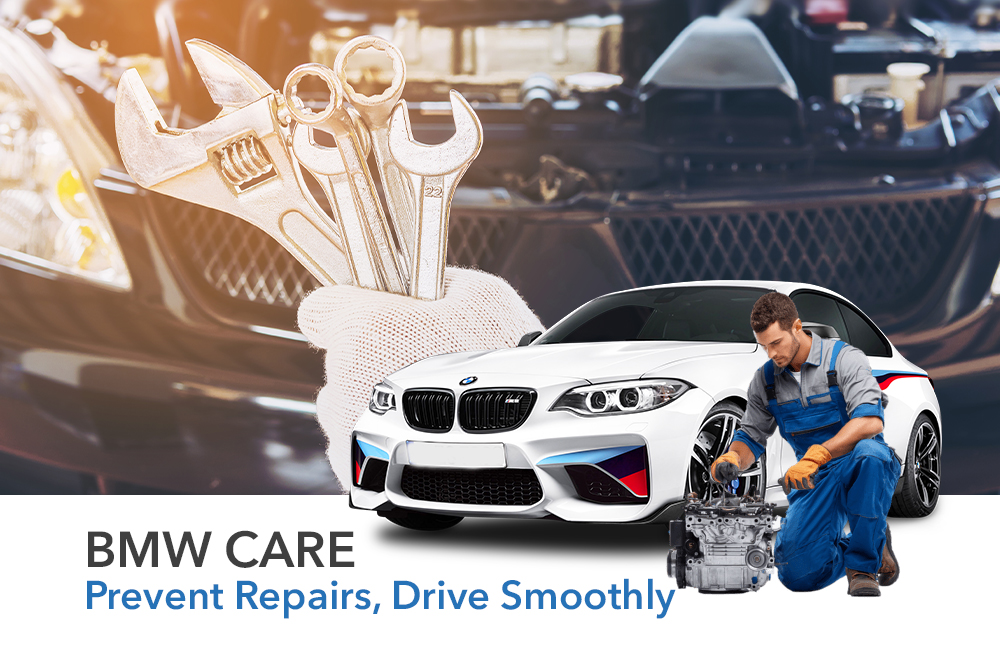
Oil changes typically align with manufacturer recommendations in your owner’s manual. Using BMW-approved synthetic oil and sticking to routine maintenance prevents wear and protects performance.
The Complete Guide to BMW Car Maintenance: Avoiding the Most Expensive Repairs
13 Dec 2025
Table of Contents
- Introduction: The BMW Promise and the Cost of Neglect
- Understanding BMW’s Engineering: Why Specific Maintenance Matters
- The Engine: Heart of Your BMW and a Hub for Costly Issues
- The Cooling System: Preventing Catastrophic Overheating
- The Brake System: Safety, Performance, and Preventing Expensive Replacements
- Suspension and Steering: Maintaining That Signature Driving Experience
- Electrical System & Battery: Powering Modern BMW Complexities
- Transmission System: Smooth Shifts and Preventing Major Overhauls
- Essential Fluid Checks and Filter Replacements
- Leveraging Diagnostics and Professional Expertise
- Strategic Maintenance: DIY vs. Professional Service
- FAQs
Introduction: The BMW Promise and the Cost of Neglect
BMW is much more than high-end vehicles – they're an example of the highest quality engineering and performance. From the legendary 3 Series to the incredible BMW M Performance cars, every model is designed to provide an unparalleled performance driving experience. If it's the smooth and athletic drive, or the sophisticated technologies like navigation systems and help for drivers, BMW provides a level of elegance and style that is hard to beat.
But this kind of performance is accompanied by responsibilities to maintain regular BMW maintenance. If you keep up with regular procedures like oil replacements as well as brake inspections and scans for diagnostics, you can ensure that your vehicle is in tip-top condition. Ignoring these routines, or putting off minor repairs that are minor will result in higher repairs on the road, specifically when it comes to high-end cars such as BMWs.
This guide explains the key elements of BMW car maintenance to help avoid expensive repairs and extend the life of your car. Let's look into actions you can take to ensure that your BMW operates like new while saving cash as well as avoiding costly repairs.
The Allure of BMW: Performance, Luxury, and Automotive Engineering
BMW is renowned for its extraordinary car driving experiences. The perfect mix of performance, luxury, and fashion, each vehicle, no matter if it's the sleek BMW M cars or the luxury that comes with 3 Series 3 Series, offers something special. The appeal of BMW is directly linked to the precision of its engineering. The car must be handled with the highest level of attention. Not changing the oil or not completing an inspection of the brakes can lead to components wearing quickly, reducing the efficiency, which BMW claims to provide.
The Inevitable Truth: Maintenance is Key to Longevity and Protecting Your Investment
In the case of any high-performance engine, like that used on BMW M Series, routine maintenance is essential to ensure its durability. The engine oil, the spark plugs, the brake fluid, and the cooling system are all working together to ensure that your vehicle is operating optimally. Inattention to these essential systems could result in costly and expensive problems that could be easily prevented by taking proactive steps. The main takeaway in this article is that routine maintenance is the best way to protect yourself against expensive repairs.
What This Guide Will Cover
In the case of any high-performance engine, like that used on BMW M Series, routine maintenance is essential to ensure its durability. The engine oil, the spark plugs, the brake fluid, and the cooling system are all working together to ensure that your vehicle is operating optimally. Inattention to these essential systems could result in costly and expensive problems that could be easily prevented by taking proactive steps. The main takeaway in this article is that routine maintenance is the best way to protect yourself against expensive repairs.
Understanding BMW’s Engineering: Why Specific Maintenance Matters
Precision Engineering and High‑Powered Engines
BMWs are designed with top-of-the-line engines that offer top-of-the-line performance. It is a consequence of the latest automotive technology. They require careful consideration and frequent maintenance to ensure they continue running at peak performance. BMW maintenance is more than simply changing the oil. It also requires a careful checking of the levels of fluid along with air filters and spark plugs, too, in order for the efficiency of combustion.
The selection of BMW-approved synthetic oil is a significant factor in the longevity of the engine. In contrast to conventional oil, synthetic oils provide greater lubrication. This helps stop wear and tear as well as ensuring smoother performance of the most powerful engines.
The Why Behind Expensive Repairs
In the case of small problems, they can turn into costly issues. As an example, failure to repair a damaged gasket for the valve cover or not performing the oil check on your engine could result in oil leaks and cause the engine to overheat. In the same way, ignoring the timing belt and timing chain could lead to devastating engine problems. The repairs can be extremely expensive, but they can be easily prevented from happening by maintaining the timing chain.
Driving Environment Considerations
The climate you travel in plays an important role in the wear and tear on your car. When you drive in areas like Abu Dhabi, where high temperatures and dry conditions are common, your car's brake fluid, cooling system, as well as suspension parts are under extreme tension. Furthermore, sloppy and dusty roads can cause premature wear, which can lead to expensive repairs if you don't monitor them closely. Regular inspections and level checks are vital in ensuring your car can withstand the harsh elements of these environments.
The Engine: Heart of Your BMW and a Hub for Costly Issues
Critical Engine Oil Management
Being the blood of the engine, oil is essential in the maintenance of proper lubrication as well as cooling. BMW suggests synthetic oil due to its exceptional properties, which help support excellent engine performance. Regular oil replacements are essential since the old oil is unable to lubricate effectively, leading to an increase in wear and friction. Inadequately performing this task can result in engine malfunctions, which could cost thousands of dollars for repairs.
Air Filtration and Spark Plugs
Your vehicle's air filter makes sure that fresh air is pumped through the engine, ensuring optimal combustion. In time, this filter may become blocked, which can result in lower efficiency of engines and increased consumption. In the same way, spark plugs are essential to providing a smooth combustion. When they get worn out or blocked, they could result in misfires and harm the engine over the course of.
The Timing System
A timing mechanism, which includes the chain or timing belt, regulates the motion of the engine's valves as well as pistons. If the timing system is not properly maintained, this can lead to severe engine damage, like a damaged timing belt that could result in the valves of the engine and pistons crashing. Routine inspections and prompt repair of your timing belt and chain are essential to prevent the expense of such repairs.
Early Warning Signs and Engine Diagnostics
BMW automobiles are fitted with sophisticated diagnostic instruments that are able to detect engine problems early, prior to them becoming apparent. Be aware of the warning light on your dashboard, and pay attention to any unusual sounds emanating from the engine. Routine engine diagnostics will save the car from expensive repair costs in the near future by addressing problems before they get worse.
The Engine: Heart of Your BMW and a Hub for Costly Issues
Critical Engine Oil Management
Being the blood of the engine, oil is essential in the maintenance of proper lubrication as well as cooling. BMW suggests synthetic oil due to its exceptional properties, which help support excellent engine performance. Regular oil replacements are essential since the old oil is unable to lubricate effectively, leading to an increase in wear and friction. Inadequately performing this task can result in engine malfunctions, which could cost thousands of dollars for repairs.
Air Filtration and Spark Plugs
Your vehicle's air filter makes sure that fresh air is pumped through the engine, ensuring optimal combustion. In time, this filter may become blocked, which can result in lower efficiency of engines and increased consumption. In the same way, spark plugs are essential to providing a smooth combustion. When they get worn out or blocked, they could result in misfires and harm the engine over the course of.
The Timing System
A timing mechanism, which includes the chain or timing belt, regulates the motion of the engine's valves as well as pistons. If the timing system is not properly maintained, this can lead to severe engine damage, like a damaged timing belt that could result in the valves of the engine and pistons crashing. Routine inspections and prompt repair of your timing belt and chain are essential to prevent the expense of such repairs.
Early Warning Signs and Engine Diagnostics
BMW automobiles are fitted with sophisticated diagnostic instruments that are able to detect engine problems early, prior to them becoming apparent. Be aware of the warning light on your dashboard, and pay attention to any unusual sounds emanating from the engine. Routine engine diagnostics will save the car from expensive repair costs in the near future by addressing problems before they get worse.
The Cooling System: Preventing Catastrophic Overheating
Coolant Level Inspection and Quality
The cooling system manages your BMW's temperature and prevents the engine from getting too hot. An inspection of the coolant levels is a basic but essential procedure that could prevent engine overheating and injury. Make sure to use the correct coolant and make sure you monitor the levels on a regular basis.
Radiator and Hose Integrity
The hoses and radiators help to transport cooling fluid throughout the engine. In time, these parts may wear out, break, or leak. Routine inspections will help identify problems before they can lead to serious failures of the engine's cooling system.
Water Pump and Thermostat
These are common failure points. Keeping them in check solves many Cooling System Issues before they turn expensive.
Symptoms of Impending Overheating
Watch for fluctuations in temperature gauges, steam, or unusual smells. Early detection avoids major engine repairs.
The Brake System: Safety, Performance, and Preventing Expensive Replacements
The brake system is vital for your safety and your vehicle's performance. Regular brake maintenance can save you from costly repairs while keeping you safe on the road.
Brake Pad and Rotor Inspection: Timely Replacements for Safety and Cost Savings
The wear and tear of brake pads could result in rotor damage that is more costly to fix. Routine brake inspections enable the user to detect wear before it occurs and change pads prior to them creating further harm. Make sure to use authentic BMW parts to replace because they're specifically created for your vehicle's efficiency as well as safety.
Brake Fluid Maintenance: Preventing Corrosion and Maintaining Braking Performance
The level that your fluid for braking could significantly affect the performance of your brakes. As time passes, your brake fluid will absorb moisture, which could cause an increase in corrosion and decrease the effectiveness of braking. It is essential to flush and replace the brake fluid is crucial to maintain the strength of the brake system.
The Entire Brake System: Calipers, Lines, and Sensors
Apart from the pads and fluids in your brake system, you also have elements like calipers, lines, and ABS sensors. The components must be checked often for wear or damage. The early detection of leaks or sensor wear-out can lead to larger and costlier repairs.
Brake Check: Beyond the Squeal and Judder
If squeaking or juddering might be the most apparent sign of wear on your brakes, do not look for warning signs. Routine brake inspections, particularly by a qualified BMW mechanic, may detect subtle problems that may not be immediately apparent to you, but can cause more severe and costly issues in the future.
Suspension and Steering: Maintaining That Signature BMW Driving Experience
BMW's are renowned for their fluid, precise, and smooth handling due to the suspension and steering parts. A regular maintenance schedule will ensure that your vehicle delivers the distinctive driving experience that BMW lovers love.
Control Arms, Ball Joints, and Bushings: Identifying Common Wear and Tear
Control arm, the ball joint, as well as bushings, are crucial parts of the car's suspension. As time passes, these components can become worn out and cause an inability to handle and alignment problems. The replacement of these parts as part of regular maintenance of your suspension keeps your BMW's suspension comfortable and fluid.
Shock Absorbers and Struts: Restoring Ride Comfort and Handling
Struts and shock absorbers that are worn out could affect the control and comfort. If you feel that your car is having a rougher performance or your car is bouncing more frequently than normal, then it could be necessary to change your shock absorbers. Securing these components will improve ride quality and make sure that the BMW performs as it was designed to.
Suspension and Steering: Maintaining That Signature BMW Driving Experience
BMW's are renowned for their fluid, precise, and smooth handling due to the suspension and steering parts. A regular maintenance schedule will ensure that your vehicle delivers the distinctive driving experience that BMW lovers love.
Control Arms, Ball Joints, and Bushings: Identifying Common Wear and Tear
Control arm, the ball joint, as well as bushings, are crucial parts of the car's suspension. As time passes, these components can become worn out and cause an inability to handle and alignment problems. The replacement of these parts as part of regular maintenance of your suspension keeps your BMW's suspension comfortable and fluid.
Shock Absorbers and Struts: Restoring Ride Comfort and Handling
Struts and shock absorbers that are worn out could affect the control and comfort. If you feel that your car is having a rougher performance or your car is bouncing more frequently than normal, then it could be necessary to change your shock absorbers. Securing these components will improve ride quality and make sure that the BMW performs as it was designed to.
Electrical System & Battery: Powering Modern BMW Complexities
Battery Health and Replacement: The Often-Overlooked Component Affecting All Systems
The electrical systems of your BMW rely in large part on batteries, which are the power source for many vital functions, including an ignition mechanism, multimedia options, and contemporary navigation technology. It is vital to maintain the battery's health to start the car and make sure that the electronic components work as intended.
A failing or weak battery could cause problems when starting your car and brake issues, as well as problems with the system, as well as failures of other electronic components. A battery replacement can be ignored until the battery fails totally, stranding you. A regular check-up, especially in harsh climates such as Abu Dhabi, can help to prevent unexpected failures. Many BMW mechanics advise changing the battery at least every four years, or more quickly if you observe indications of a decrease in performance.
Alternator and Starter: Critical Power Components
In addition to the battery, the alternator, as well as the starter, form a part of the electrical systems of your car. The alternator is charged by batteries while the starter makes sure your vehicle gets started. With time, the components will wear down or break. An alternator that is not working properly can cause it to be unable to fully charge the battery and cause power interruptions or the complete breakdown of electrical systems, such as the cooling system and powerful engine functions.
Regular inspections will reveal wear and tear to the starter and alternator to prevent unexpected problems. If your vehicle is struggling to start or has a warning light, it's important to have these parts examined by a licensed BMW mechanic.
Electrical Challenges: Tracing Gremlins and System Malfunctions
Modern BMWs have numerous complex electrical parts. From engine diagnostics to cooling systems to sophisticated technology for driver-assistance, finding the electrical issue can be a challenge. A lot of issues can be interpreted in the form of simple issues, like malfunctioning lights or a lack of acceleration, but they may be signs of a more significant electrical issue.
Utilizing diagnostic tools like BMW diagnostic tools is crucial to track down these electrical glitches. Regularly scheduled diagnostic tests allow experts to detect system issues earlier, allowing you to prevent costly, more expensive repairs.
BMW Software Programming and Diagnostics: Interplay with Hardware
The electrical system of BMW is controlled through sophisticated software, which communicates with the hardware of the car. That means problems in the electrical system could not necessarily be mechanical in nature or mechanical, but rather software-related. If this is the case, BMW software programming may require recalibration or resetting several components.
BMW diagnostics are highly specialized and require the use of professional equipment in order to identify problems. By using the BMW-approved diagnostic tools, certified technicians are able to reprogram the car's devices to fix any discrepancies, making sure that every component works properly and efficiently.
Transmission System: Smooth Shifts and Preventing Major Overhauls
Transmission Fluid Changes: Understanding Manufacturer Recommendations (and Myths)
Transmissions are one of the most intricate and costly parts of the BMW. Keeping the system properly is crucial in avoiding costly repairs. Regularly replacing the fluid in your transmission according to BMW's recommendations helps to ensure seamless shifts and optimal performance. Some owners think that the transmission fluid isn't required to be changed often; however, over time, it will be degraded and result in the transmission overheating and cause potential damage.
Check your manual of owner to find the recommendations of manufacturer on changing the transmission fluid, and make sure you adhere to them, especially if you see signs of shifting gears or a delay in shifts.
Clutch Wear: Specific Considerations for Manual Transmissions
If you own a manual BMW, the wear of the clutch is an issue that is common issue. The clutch is an integral component of the transmission system. Over time, it will wear out. Sometimes, there may be a sour scent or loss of fluid engagement while changing. If you experience any of these indicators, then a clutch replacement may be required.
Checking the fluid in your clutch regularly and having it checked could help prevent costly repairs or even an overhaul of the transmission.
Recognizing Transmission System Issues: Early Intervention is Key
The most common problems with transmissions can be prevented by an early diagnosis. Some indicators that indicate something is not working properly include shifting issues and grinding sounds, as well as shifts that slips. If you notice that your BMW has some of these indicators and you are unable to just wait around for the issue to become worse. Bring your vehicle to a qualified BMW mechanic for an initial diagnostic can avoid the need for an expensive replacement of the transmission.
Essential Fluid Checks and Filter Replacements (Beyond Engine Oil)
Maintaining the correct fluid levels and also replacing vital filters are essential to ensure the overall health and longevity of your BMW. Most car owners are focused on oil for their engines, but overlook various other vital systems that depend on fluids to ensure optimal performance.
Power Steering Fluid (If Applicable to Your Model)
In BMW models that have power steering, the power steering fluid is essential for smooth, fluid steering. As time passes, the fluid may degrade or leak, causing difficulties with steering and damage to the pump that powers the steering. BMW maintenance for cars includes regular check-ups to ensure that the levels of fluid are optimal. If you hear the sound of a whining sound when you turn or have difficulty driving, it could be a sign that the fluid is low or has been contaminated.
Differential Fluid: Often Neglected, Crucial for Drivetrain Health
The differential plays a vital function in the distribution of power from the engine to the wheels. It depends on a specific fluid for its differential to help lubricate the moving parts and to prevent wear. However, the fluid used for differential is usually neglected and leading to excessive strain on the drivetrain and eventually the malfunction of parts. Regular checks of fluid and adjustments as per the maintenance schedules of your BMW can ensure the long-term durability of the drivetrain.
Cabin Filter and Air Filter: Impact on Health, Comfort, and Engine Performance
The cabin filter makes sure that the air in your vehicle is free of dust, pollen, and various other pollutants. When it is blocked, it will affect the air quality in the car and stress the system of air conditioning system. A regular replacement of the cabin's filter enhances satisfaction and the quality of air.
In the same way, the air filter has a crucial role to play in making sure that the engine is receiving pure air for combustion. An air filter that is blocked can reduce efficiency and engine performance. The replacement of the filter on a regular basis is among the simplest and cost-effective methods to ensure the performance of your BMW.
Leveraging Diagnostics and Professional Expertise
While regular fluid checks and filter replacements are essential, advanced diagnostics are necessary to keep your BMW performing at its best, especially when dealing with complex systems like the transmission system or electrical system.
The Power of Diagnostic Scans and Advanced Diagnostic Equipment
BMW diagnostic tools are made to identify faults within the transmission, engine, as well as electrical system. Routine diagnostic tests can reveal the issues prior to them becoming serious issues. With the help of advanced diagnostic tools, your BMW mechanic will be able to test everything from the engine diagnostics to problems with the cooling system, helping to avoid expensive repairs later on in the future.
Why Certified Technicians and Genuine BMW Parts Matter
Making use of authentic BMW parts will ensure that your vehicle is compatible, to ensure its efficiency as well as its longevity. Even though the parts are less expensive, they may not be up to the standards of BMW and can cause malfunctioning issues, or worse, the vehicle being damaged. In addition, technicians certified by BMW are specially trained to handle BMW maintenance. They ensure that repairs and replacements are carried out in accordance with the specifications of the manufacturer, thus avoiding any further problems in the future.
Choosing the Right Service Center or Workshop: Trust and Expertise
When choosing a center for service, make sure you select one that is BMW-approved or one that has trained technicians who are knowledgeable about BMW engines. Workshops using BMW-approved diagnostic equipment will offer the highest level of care to your car and ensure that it operates as smoothly as possible.
Understanding Your Owner’s Manual and Maintenance Schedules
The BMW owner's guide is useful for understanding the precise maintenance schedules that apply to your car. By following these rules, you can ensure that you're at the forefront of important tasks such as brake inspections, as well as fluid replacements. When you stick to your schedule of maintenance, you will ensure that your BMW is running efficiently, thereby saving the cost of repairs while also increasing the life of your vehicle.
Strategic Maintenance: DIY vs. Professional Service
What You Can Safely Do: Basic Fluid Checks, Tyre Pressure Check, Visual Tyre Inspection, Wiper Blade Inspection
Some aspects of BMW car maintenance are simple enough for most car owners to handle themselves. Performing basic checks and inspections can go a long way in preventing more serious issues. Here’s a look at what you can safely do on your own:
-
Basic Fluid Checks:
Checking the levels of critical fluids like engine oil, brake fluid, and coolant is essential for maintaining your BMW's engine and brake system. Low levels of these fluids can cause engine overheating or reduced braking performance, both of which can lead to costly repairs. Regularly inspecting your vehicle's engine oil ensures proper lubrication, helping the engine to run smoothly and efficiently. Always use BMW-approved synthetic oil for the best results. -
Tyre Pressure Check:
Maintaining the correct tire pressure is crucial for your BMW's suspension system and overall safety. Under-inflated tires can cause uneven wear, reduce fuel efficiency, and affect your car’s handling. Conversely, over-inflated tires can lead to premature tire wear and compromised braking performance. Checking the tire pressure is quick, easy, and can be done with a basic tire gauge, ensuring your BMW handles optimally on the road. -
Visual Tyre Inspection:
Tires are a critical component of your BMW’s driving experience. A quick visual inspection of the tires can reveal issues like cracks, bulges, or tread wear. Early identification of tire damage allows you to replace them before they fail, improving both safety and performance. -
Wiper Blade Inspection:
Ensuring your wiper blades are in good condition is another simple but important maintenance task. Worn-out wiper blades can reduce visibility in wet weather, making driving dangerous. Replacing wiper blades every 6–12 months is a low-cost, simple task that significantly improves your driving comfort and safety.
These routine tasks can be easily performed at home with minimal tools, saving you both time and money.
When to Call the Experts: Complex Repairs and Specialized Tools
While some aspects of BMW car maintenance are simple DIY tasks, there are others that require the expertise of a professional BMW mechanic. Here’s when it’s time to call in the experts:
-
Suspension Repairs:
The suspension system plays a critical role in maintaining ride comfort and handling. If you notice unusual noises, poor handling, or uneven tire wear, it’s time to consult a BMW mechanic. Suspension repairs often involve complex components like control arms, ball joints, and shock absorbers that require specialized tools and knowledge to replace properly. -
Engine Diagnostics and Repairs:
Modern BMW engines are equipped with advanced technologies and sensors that require professional diagnostics to identify issues. If your engine diagnostics system detects a problem, it’s essential to get a full diagnostic scan using BMW diagnostic equipment to pinpoint the root cause. These issues could range from engine oil leaks to cooling system issues, both of which need expert attention to avoid damaging the engine. -
Transmission System Repairs:
The transmission system is one of the most complex and expensive parts of your BMW. Whether it's transmission fluid changes, clutch wear, or diagnosing slipping gears, repairs should be left to a certified technician. These tasks require the use of specialized tools and expertise to ensure the longevity and performance of your BMW's transmission system. -
Electrical System Repairs:
Modern BMWs feature highly complex electrical systems that control everything from the brake system to the navigation system. If you experience issues with your BMW’s electrical system, such as malfunctioning lights, faulty sensors, or problems with the battery, it’s essential to seek professional help. These issues often require diagnostic scans and expertise in BMW software programming to fix. -
Cooling System Problems:
The cooling system in your BMW regulates the engine’s temperature to prevent overheating. Issues such as a broken water pump, thermostat failures, or coolant leaks can cause significant damage to the engine if not addressed promptly. Professional servicing is needed to repair these systems and ensure the longevity of your BMW’s engine. -
Brake System Inspections:
While checking brake fluid and inspecting the brake pads can be done at home, more complex brake system issues should be addressed by a professional. Brake system repairs may involve replacing rotors, calipers, or brake lines, and this requires specific knowledge and expertise to ensure safety and proper functioning.
In these cases, BMW-certified technicians are equipped with the necessary tools and knowledge to repair and maintain your car to the highest standards. By seeking professional help when needed, you can ensure your BMW remains in top condition, preserving its performance and safety.
Frequently Asked Questions (FAQ)
Explore our FAQs below or find the answers you're looking for right here.
-
How often should I perform oil changes on my BMW?
-
Why are BMW brake pads more expensive?
BMW brake systems use advanced materials and precise engineering. Quality brake pad replacements and brake fluid maintenance prevent damage to rotors and calipers that are costly to repair.
-
Can I rely on DIY inspections to avoid costly repairs?
Basic inspections (like Tyre Pressure Check and fluid levels) help catch obvious issues. However, many systems require diagnostic scans and certified expertise.
-
What are common signs of cooling system failure?
Symptoms include temperature spikes, leaks at hoses, or overheating. Regular Coolant Level Inspection and checks of the thermostat and water pump prevent serious engine damage.
-
When should I replace my suspension components?
Signs like uneven tire wear, clunking sounds, or poor handling suggest worn suspension components like ball joints or bushings need attention.
-
Do software diagnostics matter for maintenance?
Absolutely. BMW software programming and advanced diagnostic equipment identify hidden issues, reduce guesswork, and save on future car repair costs.